
6 Common Causes of Tooth Sensitivity You Shouldn’t Ignore
What Is Tooth Sensitivity?
The dentin is normally protected by enamel (on the crown of the tooth) and cementum (on the root surface). Within the dentin are tiny fluid-filled channels called dentinal tubules, which run from the nerve center of the tooth to the outer surface.
According to the hydrodynamic theory, when external forces (such as temperature changes, pressure, or acidity) affect the dentinal fluid, they cause pressure shifts inside the tubules. These signals are transmitted to the pulp—where the nerves are located—leading to pain.
Below are six of the most common reasons why your teeth may be sensitive and how to address them effectively.
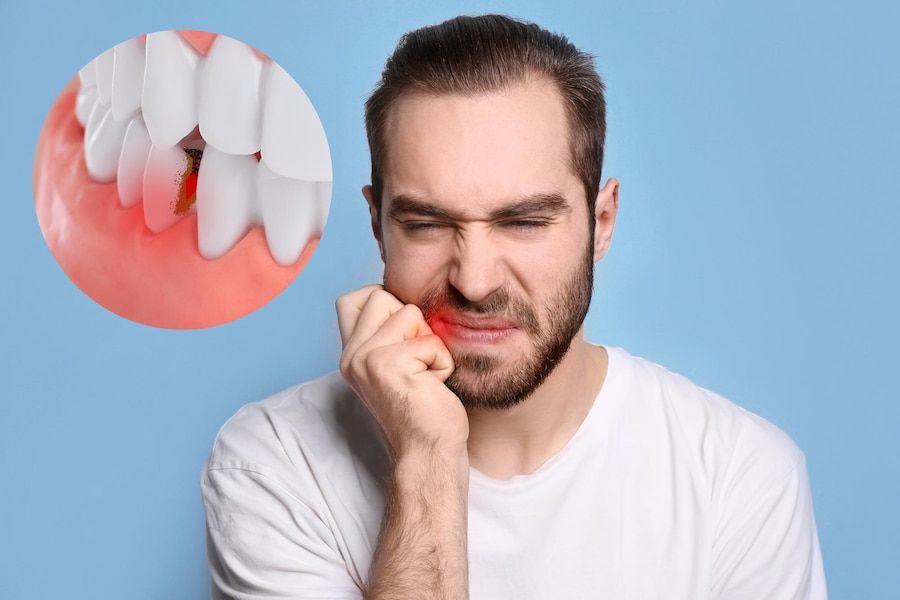
1. Tooth Decay
Early-stage cavities often cause mild sensitivity, which can be treated simply with dental fillings—no root canal needed. Unfortunately, many people delay dental visits because they fear pain. In reality, treating a cavity early is usually quick and painless.
Some cavities, especially those between teeth or around impacted wisdom teeth, are harder to spot. In those cases, dentists may use air tests, X-rays, and visual exams to detect damage. Contact fillings in such areas are more delicate but can still be done gently and safely.
2. Tooth Neck Abrasion (Cervical Wear)
The main causes are excessive brushing, abnormal bite forces, and microcracks in the enamel. Depending on the severity, treatment may include bite adjustment, composite fillings, crowns, or root canal therapy to restore both function and aesthetics.

3. Cracked or Fractured Teeth
-
Intrinsic weakness in the enamel due to poor mineralization or incomplete formation.
-
External trauma, such as biting down on hard objects or accidents.
Cracks can range from tiny hairline fractures to deep splits reaching the root. Early signs often include sharp pain while chewing or sensitivity to temperature changes.
Cracked teeth require immediate attention to prevent the crack from spreading. Treatments vary based on severity and may include fillings, reinforcing rings, root canal therapy, or in advanced cases, tooth extraction followed by implant placement.
To lower your risk of cracked teeth, avoid biting hard foods, cut tough items into small pieces, and chew gently - especially as you age.
4. Gum Recession
The root surface is covered by a thin cementum layer, which wears away easily, exposing dentin. This makes the area extremely vulnerable to temperature changes and other irritants.
Depending on the extent of gum loss, treatment may include gum grafting, flap repositioning, or partial fillings. Gum graft surgery is now highly predictable, minimally invasive, and typically completed within 45 minutes per site, offering long-lasting results.
5. Teeth Grinding and Other Harmful Oral Habits
Signs of bruxism include:
-
Flattened or worn-down chewing surfaces
-
Jaw tightness or soreness upon waking
-
Audible grinding at night (noticed by a partner)
Long-term grinding removes enamel and exposes dentin, leading to hypersensitivity. Treatment involves addressing the root cause—usually with a custom night guard—to protect the teeth. Additional solutions include desensitizing toothpaste, fillings for worn areas, or crowns and root canal therapy in severe cases.
6. Sensitivity Caused by Dental Treatments
-
After fillings: Sensitivity may arise if the cavity is not fully sealed, bonding is incomplete, or the tooth structure is etched too deeply.
-
After crowns: Teeth that still have live pulp can react to crown placement, especially if the finishing lines are exposed, the porcelain is cracked, or the tooth structure is very close to the nerve.
-
After whitening: Whitening agents penetrate enamel and dentin to remove stains. This temporarily increases dentin sensitivity, usually lasting a few days.
If post-treatment sensitivity doesn’t improve, a dentist can identify the exact cause and provide targeted solutions—such as rebonding, desensitizing treatments, or further restorative work.
Don’t Ignore the Signs
Tooth sensitivity can be triggered by many factors, including decay, gum recession, enamel wear, cracks, teeth grinding, or dental procedures. While mild sensitivity may seem manageable at first, it’s often an early warning sign of deeper dental issues.
Identifying the root cause early and getting timely treatment can save your teeth, reduce pain, and prevent more complicated and expensive procedures later on. If you’re experiencing persistent sensitivity, schedule a professional dental check-up as soon as possible.
Tin khác

Trồng Răng Implant Cho Người Mất Răng Lâu Năm Có Được Không?
Ngày cập nhật: 17/11/2025

Tại Sao Nhiều Người Chọn Trồng Răng Implant Thay Vì Hàm Giả?
Ngày cập nhật: 17/11/2025

Kinh Nghiệm Trồng Răng Implant – Những Điều Bạn Cần Chuẩn Bị
Ngày cập nhật: 17/11/2025

Phân Biệt Veneer Và Bọc Răng Sứ: Nên Chọn Loại Nào Đẹp Và Bền Hơn?
Ngày cập nhật: 15/11/2025

Bọc Răng Sứ Sau Bao Lâu Thì Ăn Được Tại Nha khoa Lotus Smile?
Ngày cập nhật: 22/10/2025

Bí Quyết Giữ Răng Sứ Bền Đẹp Lâu Dài - Từ Chăm Sóc Đúng Cách Mỗi ...
Ngày cập nhật: 22/10/2025

Răng Bị Nhiễm Màu Nặng – Nên Tẩy Trắng Hay Bọc Sứ Để Lấy Lại Nụ ...
Ngày cập nhật: 22/10/2025

Hậu Quả Nguy Hiểm Khi Cấy Ghép Implant Sai Quy Trình
Ngày cập nhật: 22/10/2025

Gingivitis: Causes, Risks, and Effective Prevention
Ngày cập nhật: 13/10/2025

[CUSTOMER REVIEWS] Braces at Lotus Smile Dental – A Confident Smile Starts Here
Ngày cập nhật: 13/10/2025

6 Common Mistakes Parents Make When Taking Care of Their Children’s Tee
Ngày cập nhật: 13/10/2025

Top 4 Reasons Why Regular Dental Checkups Matter
Ngày cập nhật: 29/09/2025


